Products / D-Comp Dry

Residue biology · Copper series

D-Comp Dry

Put last season's residue back to work.
Unlock nutrients. Build a cleaner seedbed. Start the next crop stronger.

Enzymes + bacteria + fungi

Today's residue is next season's opportunity.

D-Comp Dry helps break down stalks and fiber faster, so more of the nutrients in last season's residue can cycle back into the soil. That means less residue in the way of seed placement and a cleaner start for the next crop.

Build a cleaner seedbed and recycle more nutrients.

D-Comp Dry D-Comp Dry biological residue treatment package
A dry biological blend built to help decompose crop residue and recycle more value into the next crop.
What it targets Tough stalks, lignin, cellulose, fiber, and other leftover plant material.
Where it fits Spring residue, post-harvest residue, in-furrow programs, and manure applications.
How it applies A powder formulation that works with standard spray equipment and your current field routine.
Cold-weather activity Proprietary organisms are designed to keep residue cycling at temperatures as low as 34°F.

When residue breaks down too slowly

Too much residue can cost you twice.

Leftover stalks can hold nutrients and get in the way of seed placement. D-Comp Dry helps break them down faster, so those nutrients can return to the soil and the next crop gets a cleaner start.

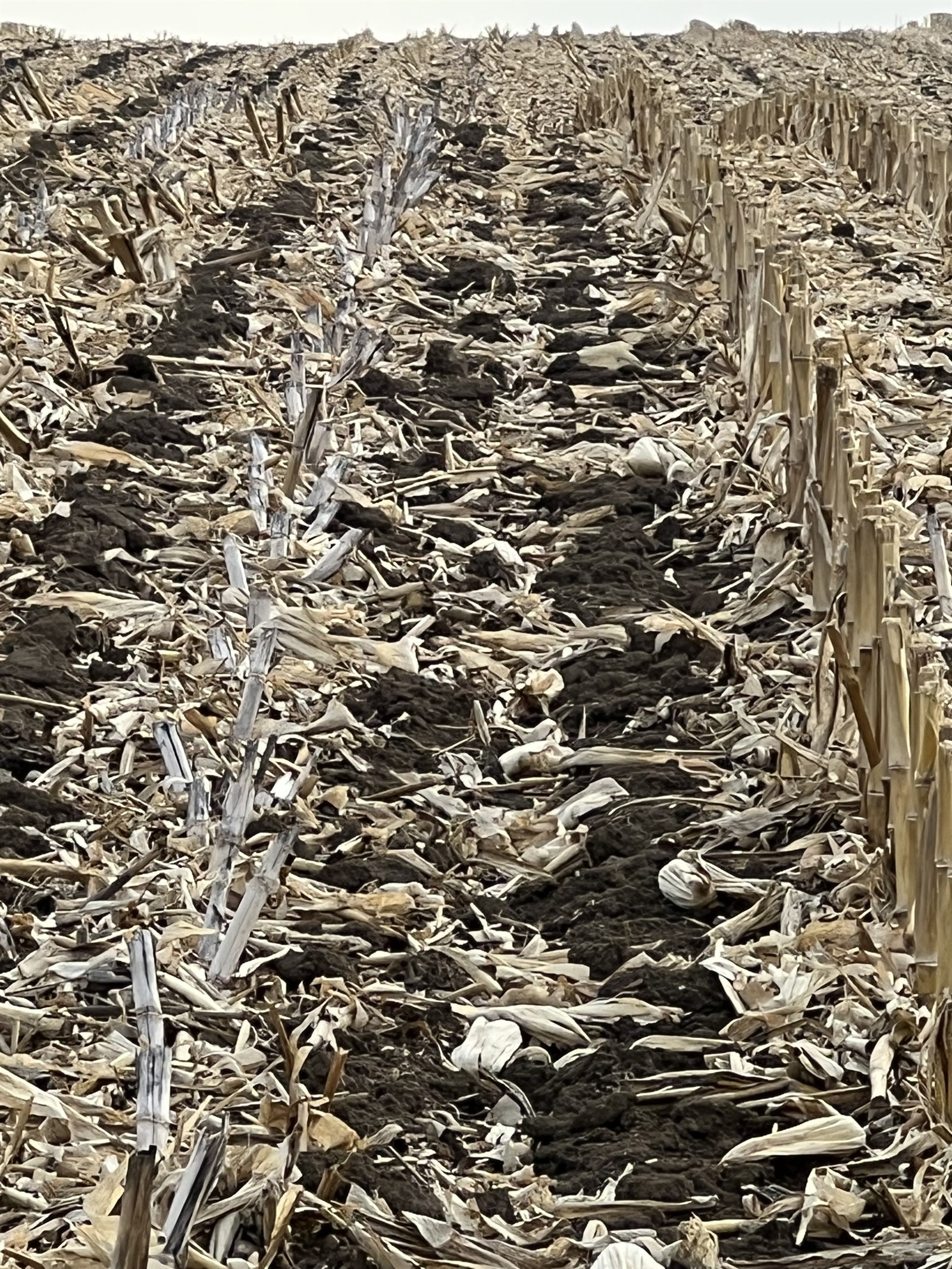
Heavy corn residue covering the soil after harvest
01

Stop feeding the residue first

Accelerated fiber breakdown helps reduce the window when residue competes with the crop for available nitrogen.

02

Give every seed a better start

Less stubborn surface material can support more consistent seed placement, contact, emergence, and stands.

03

Keep more value in the field

Microbial cycling converts decaying plant material into food for the living soil and plant-available nutrient pathways.

How D-Comp Dry works

Four moves from residue to resource.

The science is sophisticated, but the field benefit is simple: help microbes break down tough fiber, feed the soil, and keep nutrients cycling.

  1. 1

    Apply where the residue is

    Apply D-Comp Dry to crop residue after harvest or before planting, or add it to your in-furrow program.

  2. 2

    Enzymes open tough fiber

    Fibrolytic enzymes help get the breakdown of lignin, cellulose, xylans, and pectin moving.

  3. 3

    Microbes keep the process going

    Multiple strains of bacteria and fungi ferment the material and build active microbial biomass.

  4. 4

    Nutrients return to the cycle

    Beneficial microbes help make recycled nutrients more available to the next crop.

Three practical ways to use D-Comp Dry

Use D-Comp Dry on residue, in-furrow, or with manure.

Residue

Clean up the seedbed

Spray directly on crop residue in fall or spring to get tough material breaking down sooner.

In-furrow

Put biology beside the seed

Use D-Comp Dry in-furrow to support mineral solubilization, nutrient access, and a more even start.

Manure

Move more manure value to the field

Help break down undigested fiber, protein, fat, and starch while improving nutrient availability and composting efficiency.

2024 field trial summary

Higher yield in every comparison shown.

The supplied study summary reports D-Comp Dry-treated yields above untreated checks in one foliar spring pre-soybean comparison and three in-furrow corn trials.

4 of 4 shown comparisons favored D-Comp Dry
Soybean +2.1

71.6 treated vs. 69.5 untreated

Corn · Trial 1 +6.0

255 treated vs. 249 untreated

Corn · Trial 2 +7.0

256 treated vs. 249 untreated

Corn · Trial 3 +7.8

231 treated vs. 223.2 untreated

2024 D-Comp Dry study summary showing treated soybean yield of 71.6 versus 69.5 untreated, and treated corn yields of 255, 256, and 231 versus untreated yields of 249, 249, and 223.2
2024 study graphic supplied for D-Comp Dry. The chart reports the trial values shown above; individual results vary with crop, weather, soil, timing, fertility program, and management.

Field observation

The D-Comp point measured warmer.

+5.4°F treated-point difference
Field temperature meter reading 69.6 degrees Fahrenheit at a D-Comp treated observation point 69.6°F D-Comp treated
Temperature recorded at the D-Comp treated observation point.
Field temperature meter reading 64.2 degrees Fahrenheit at an untreated observation point 64.2°F Untreated
Temperature recorded at the untreated observation point.

Why a warmer reading can matter

More warmth can keep soil biology working in cool conditions.

Active soil microbes help break down residue and recycle nutrients. When the soil is cool, a warmer zone can support that activity and help prepare a cleaner seedbed for the next crop.

At the measured points, the D-Comp area read 69.6°F and the untreated area read 64.2°F—a 5.4°F difference. This is one field observation, not a controlled trial or yield guarantee. Temperature changes with timing, depth, location, weather, and field conditions.

See What D-Comp Could Do for You

Straight answers for the field

Questions growers ask about D-Comp Dry.

How is D-Comp Dry applied?

D-Comp Dry is a powder formulation that can be mixed with water or compatible biologicals and applied with standard spray equipment. It can be surface-applied to residue after harvest or in spring, used in-furrow, or applied with manure according to product directions.

Why not just wait for residue to break down naturally?

Natural decomposition can be slow, especially with tough fiber. D-Comp Dry concentrates the enzymes and microbes that attack that material, helping shorten the time residue can tie up nitrogen or interfere with the next seedbed.

Can D-Comp Dry be used with manure?

Yes. It helps break down undigested proteins, fats, starches, and fiber, while supporting nutrient availability and a faster, more efficient composting process.

How quickly should I expect to see a difference?

Growers may notice residue softening and breaking down and soil texture changing as the season progresses. Results depend on residue load, moisture, temperature, timing, and management.

Can I mix it with chlorinated water?

Chlorine can harm biological activity. Well water is preferred. If rural water is used, apply a suitable de-chlorinating agent in accordance with product specifications and your Direct Biologicals representative's guidance.

D-Comp Dry inquiry

Build your D-Comp plan.

Tell us what you are planting, the residue you are carrying, and when you want to apply. A Direct Biologicals specialist will help identify the right D-Comp window for your acres.

Your email application will open so you can review and send your request.

Make residue part of your fertility plan.

Tell Direct Biologicals what you are planting, how much residue you are carrying, and when you want to apply. We will help you find the right D-Comp window for your acres.