A practical guide to what each product does, when it fits, and where
it can earn a place on your acres.
Start with the field
Match the biology to the pressure.
Nutrients locked in the soil, reproductive demand, residue in the
seedbed, or weather stress—start with the problem that is costing
the field potential.
01Nutrient access
Nutri-Cycle
Get more from the fertility already in your soil.
Nutri-Cycle places a multi-strain microbial community around the
root to help release phosphorus, potassium, nitrogen, and trace
nutrients while building a larger feeding zone.
Unlock paid-for fertility: helps mobilize nutrients already present in soil and previous inputs.
Build a bigger feeding zone: root colonization and biofilms help roots explore more soil and water.
Work through variable pH: Direct reports phosphorus solubilization from pH 4.5 to 9.0.
Improve the seedbed over time: supports residue cycling, aggregation, porosity, and water retention.
Complement the fertility plan: adds biological access without positioning itself as a fertilizer replacement.
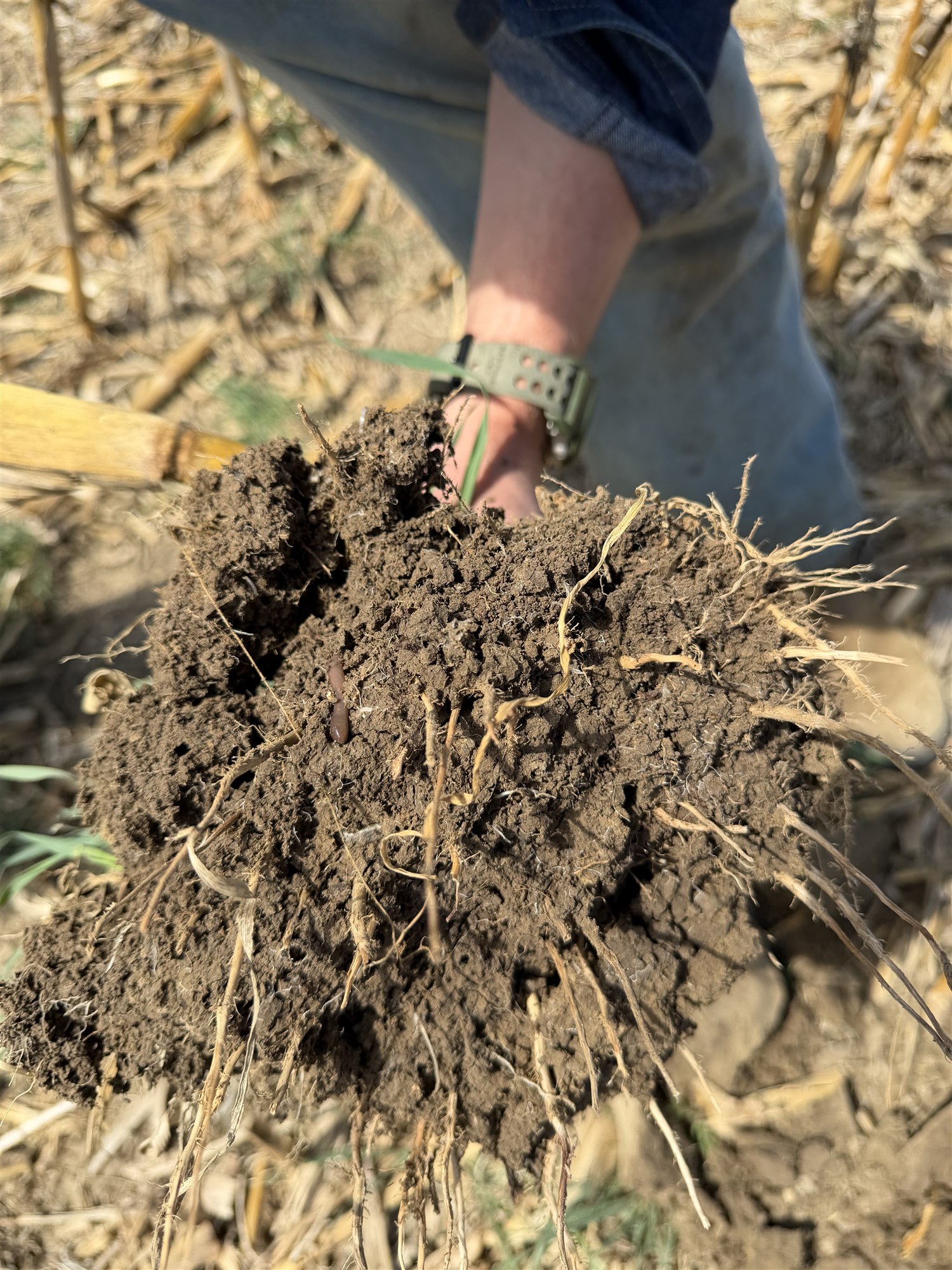
Spring field observation: a Nutri-Cycle root ball held at the soil surface.
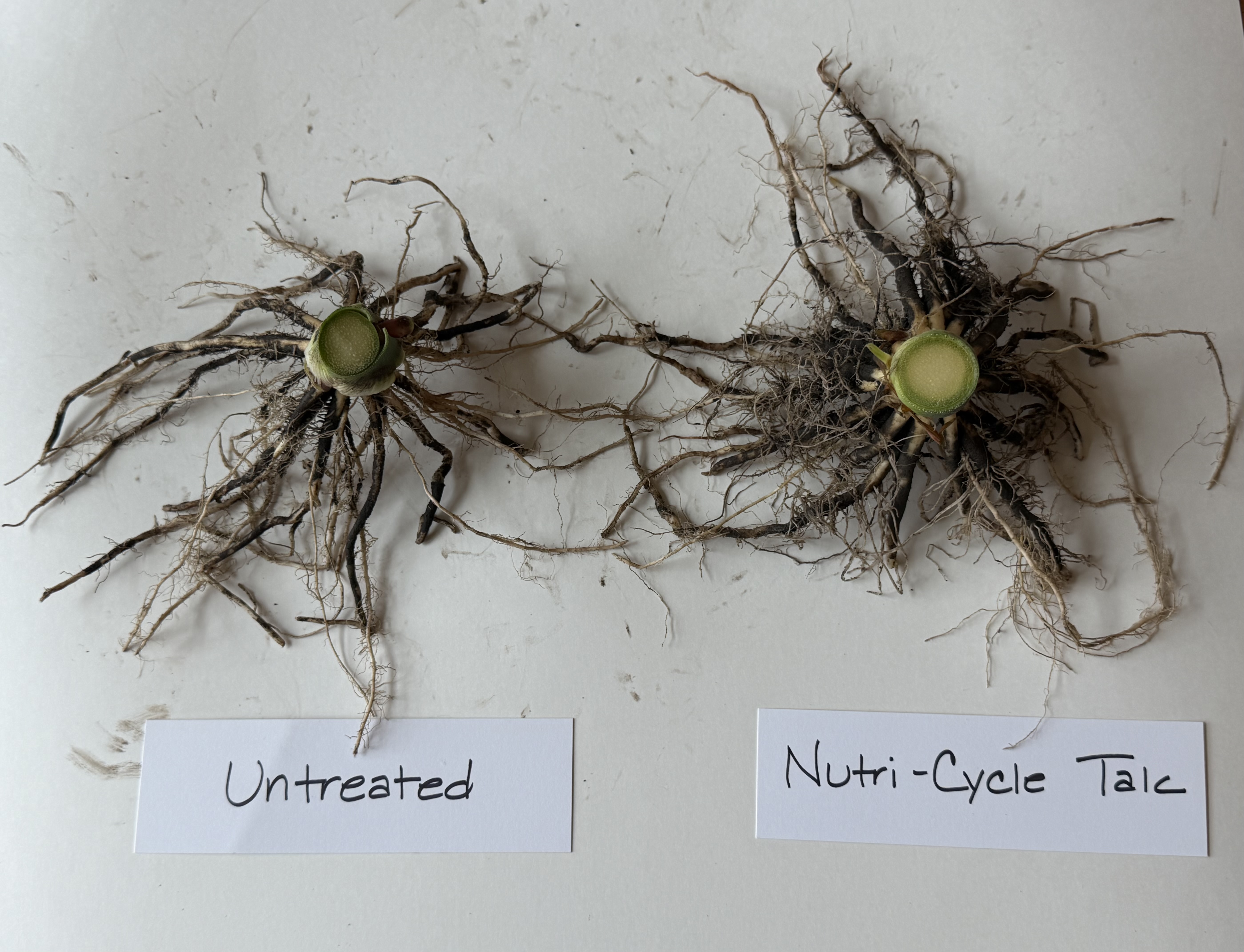
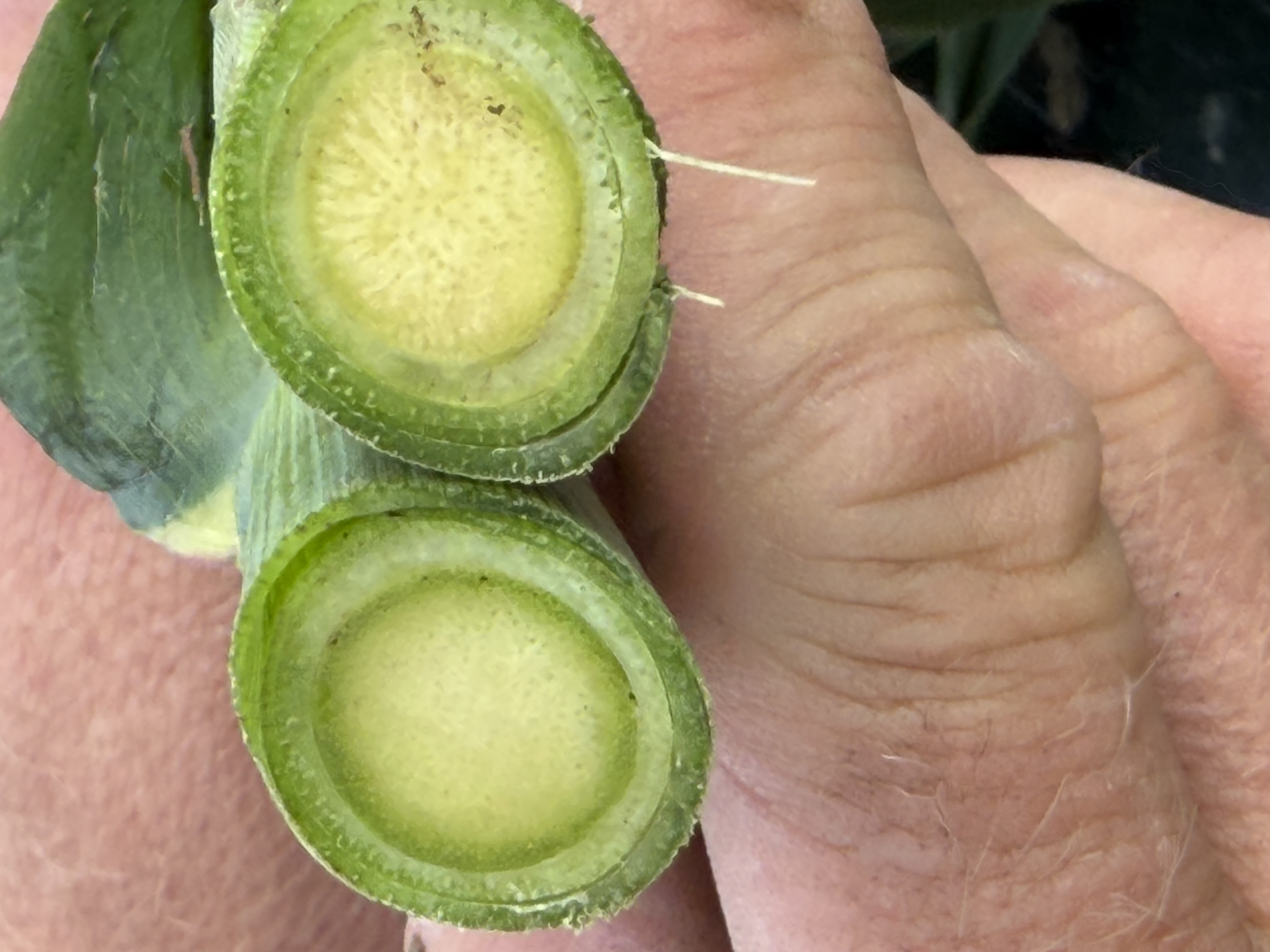
Nutri-Cycle Carbon · Stem cross-section
Compare by fit, not by hype
One community or one narrow target?
Direct Biologicals
Built for the whole root zone.
Nutri-Cycle connects nutrient access, root exploration, and soil function in one biological community.
Multiple jobs in one pass: biology for nutrient release, roots, organic matter, and soil structure.
Community approach: multiple strains contribute different functions instead of depending on one organism.
Broader decision fit: designed for fields where the challenge is larger than one nutrient deficiency.
Other market options
A specialist can solve only one part of the problem.
Many alternatives concentrate on phosphate alone or on a single mycorrhizal relationship.
One main target: a phosphorus specialist leaves potassium, nitrogen, traces, and broader soil goals to other tools.
More label restrictions: some mycorrhizal programs caution against systemic fungicides and direct starter-phosphorus contact.
Slower visible response: some labels state that colonization benefits may take one to two months to appear.
02Reproductive support
Nutri-Cycle Bloom
Put biology to work when yield is being built.
Nutri-Cycle Bloom brings living purple non-sulfur bacteria into
the reproductive window to support natural growth signals and the
crop's demand for flowers, pods, kernels, and fruit.
Hit the reproductive window: use at planting or target pre-flower, flowering, and early fruit set.
Turn light into biological work: PNSB use microbial photosynthesis rather than simply supplying another nutrient.
Support yield-building sites: positioned for bloom set and pod, kernel, or fruit development.
Living foliar biology for the part of the season that pays.
Same goal, different mechanisms
Living biology or a foliar ingredient package?
Direct Biologicals
A living engine for reproductive demand.
Bloom adds a photosynthetic microbial mechanism to the crop instead of relying only on supplied ingredients.
Living PNSB: bacteria remain biologically active rather than acting only as a delivered compound.
More than a bloom additive: the mechanism connects energy capture, nutrient cycles, and natural growth compounds.
Flexible crop fit: positioned for row crops and fruiting crops at the stage that determines the finish.
Other market options
A supplied boost has a narrower biological role.
Many alternatives deliver amino acids, minerals, or botanical extracts for one targeted response.
No living photosynthetic community: supplied compounds do not establish the same PNSB mechanism.
Goal-by-goal formulas: some product lines split flowering, nutrition, and stress support across different blends.
Label-specific fit: crop, timing, nutrient objective, and compatibility vary by formulation.
03Residue breakdown
D-Comp
Make last season feed the next one.
D-Comp combines fiber-decomposing enzymes, bacteria, and fungi to
start recycling residue after harvest, open tough stalks, and
prepare the field for the next crop.
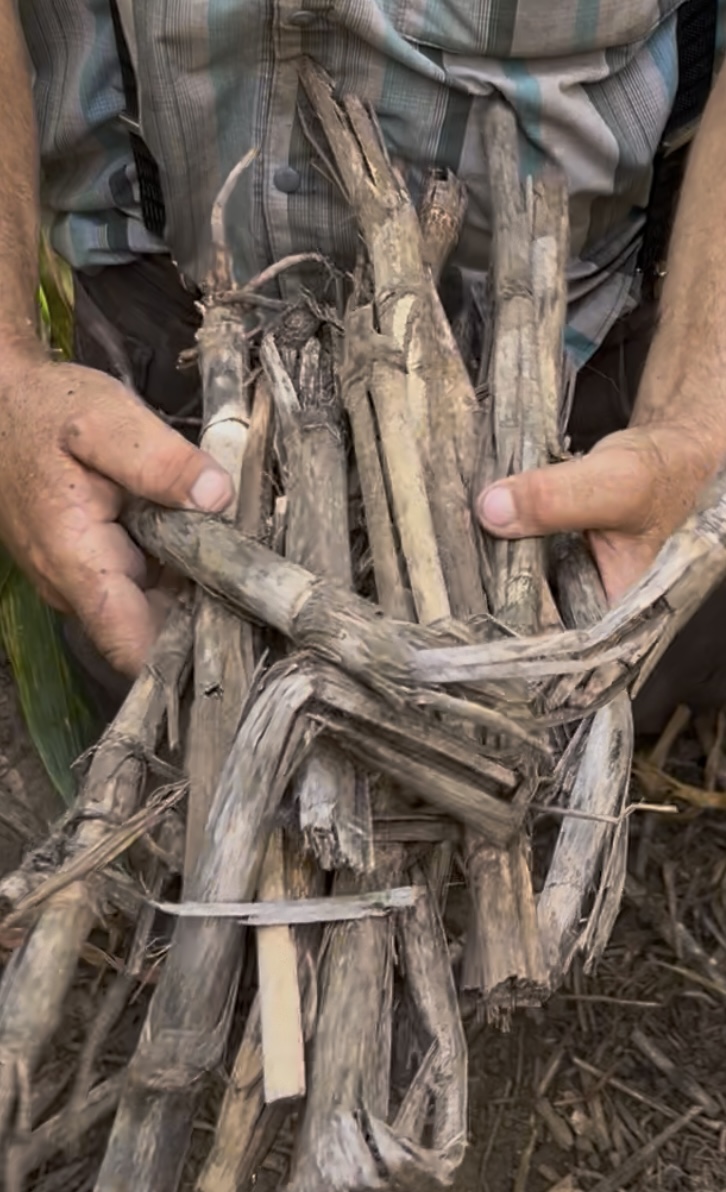
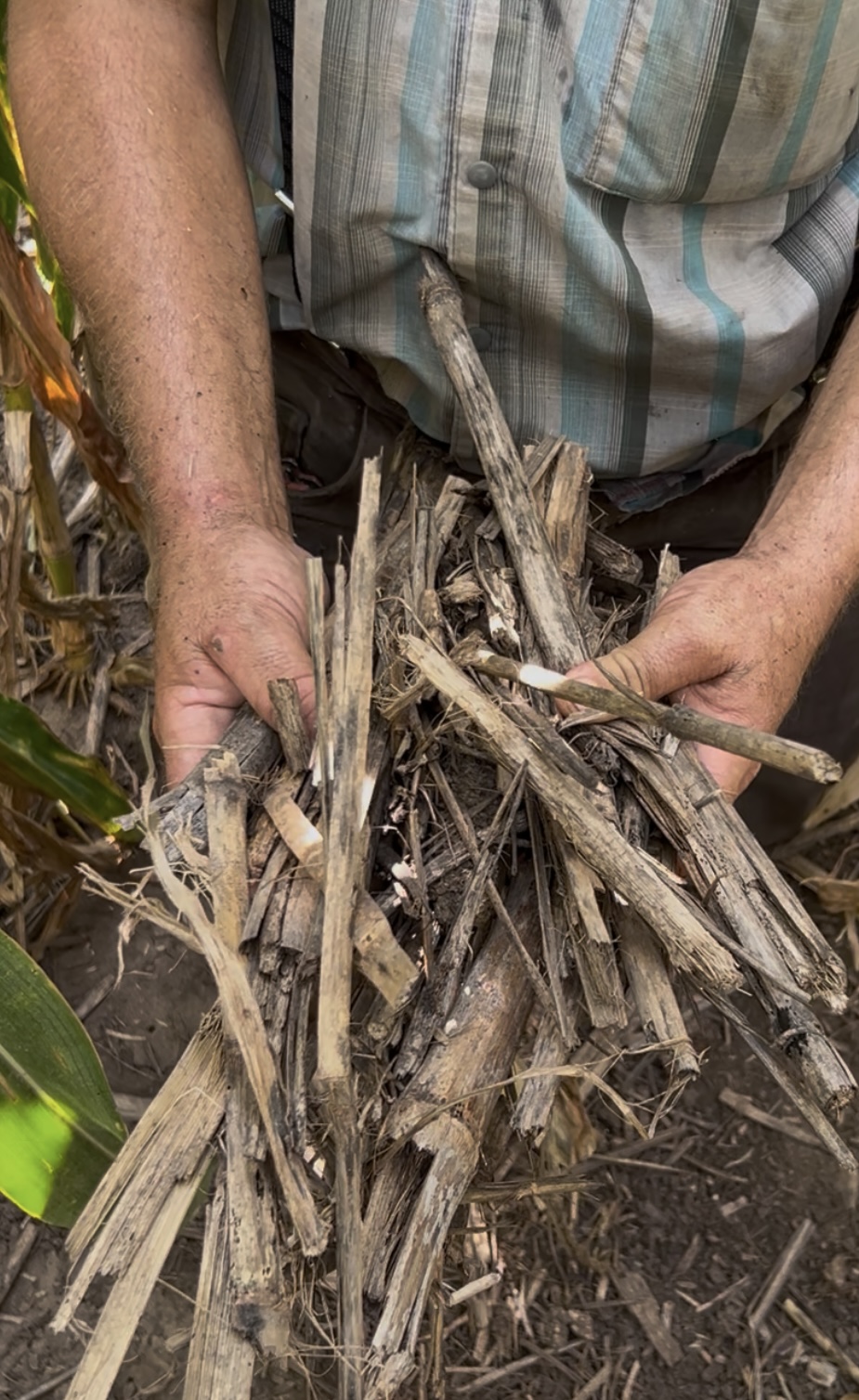
Start in the fall: begin working on surface residue after harvest instead of carrying the whole job into spring.
Attack the hard parts: enzymes target lignin, cellulose, xylans, and pectin.
Protect available nitrogen: faster residue cycling helps shorten the carbon penalty and the period when decomposition competes for nitrogen.
Improve stand establishment: less stubborn residue supports seed placement, seed-to-soil contact, and uniform emergence.
Help herbicide reach soil: reducing the residue barrier can help fall-applied residual herbicides reach their intended target.
Move the slider to compare separate September 2025 field observations of D-Comp-treated and untreated residue.
Build the fall pass around the outcome
A complete residue system does more before spring.
Direct Biologicals
Fiber-first biology built for the next crop.
D-Comp uses fungi and enzymes to open structural fiber, then bacteria and fungi continue residue cycling and nutrient release.
Balanced biological roles: the formula is intentionally built around fungi, bacteria, and fibrolytic enzymes.
Fall-to-spring value: the program connects residue breakdown with nitrogen management and seedbed preparation.
More useful ground contact: less intact residue can support both planting consistency and residual-herbicide placement.
Other market options
A high bacteria count is not a complete residue strategy.
Some residue products emphasize bacteria counts without documenting the same blend of multiple fungi and fiber-opening enzymes.
Different starting point: bacteria-heavy systems may place less emphasis on the fungi and enzymes that first open resistant plant fiber.
Narrower fall outcome: residue that stays intact can continue interfering with nitrogen availability and spring seed placement.
More pass constraints: some reviewed labels require separation from herbicide, fungicide, or insecticide applications.
04Stress tolerance
Heat Shield
When Weather Attacks, Heat Shield Fights Back.
Heat Shield uses living endophytic fungi inside the plant to help
the crop manage heat, cold, drought, excess rain, and salinity
before stress takes more yield potential.
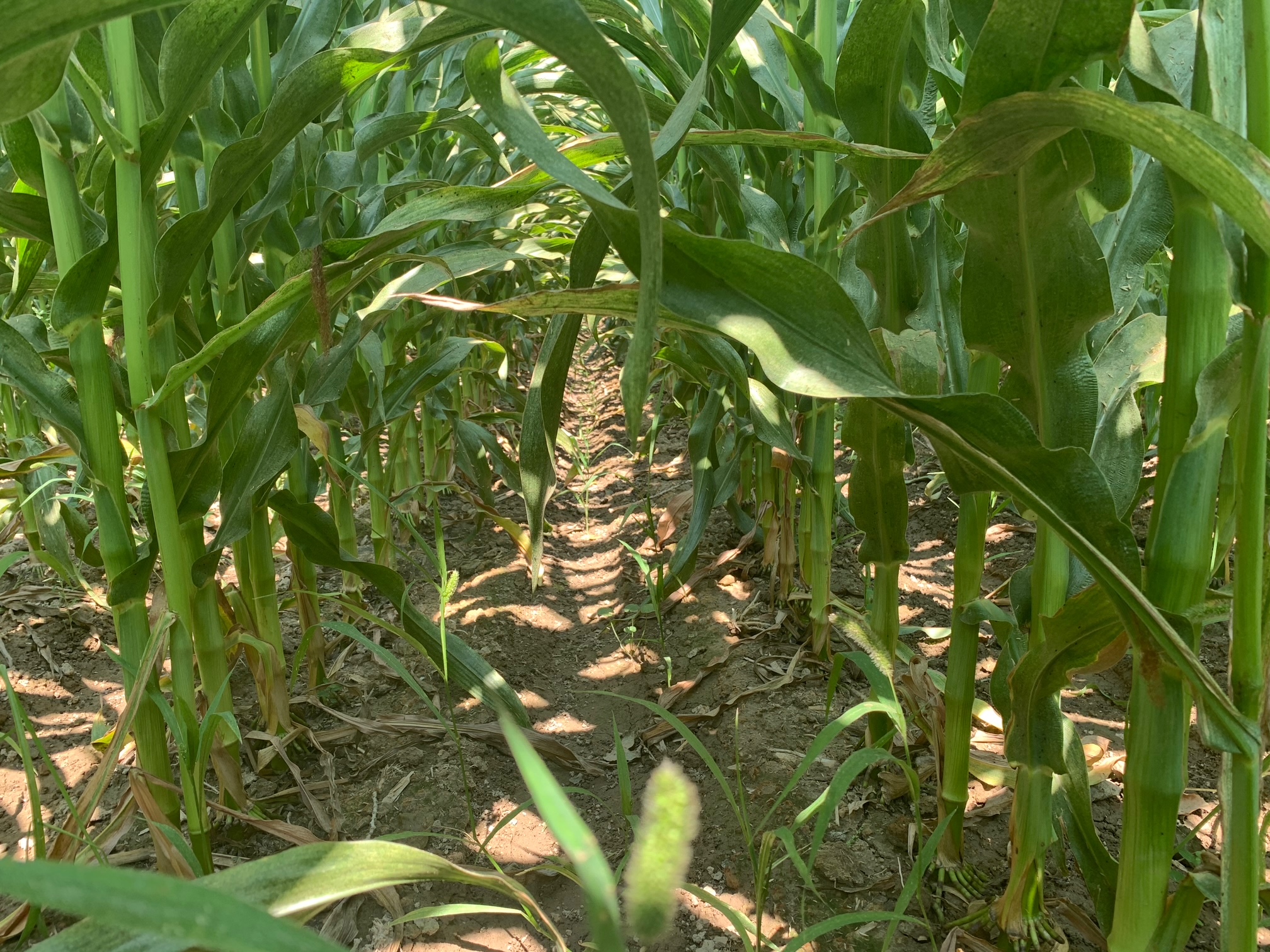
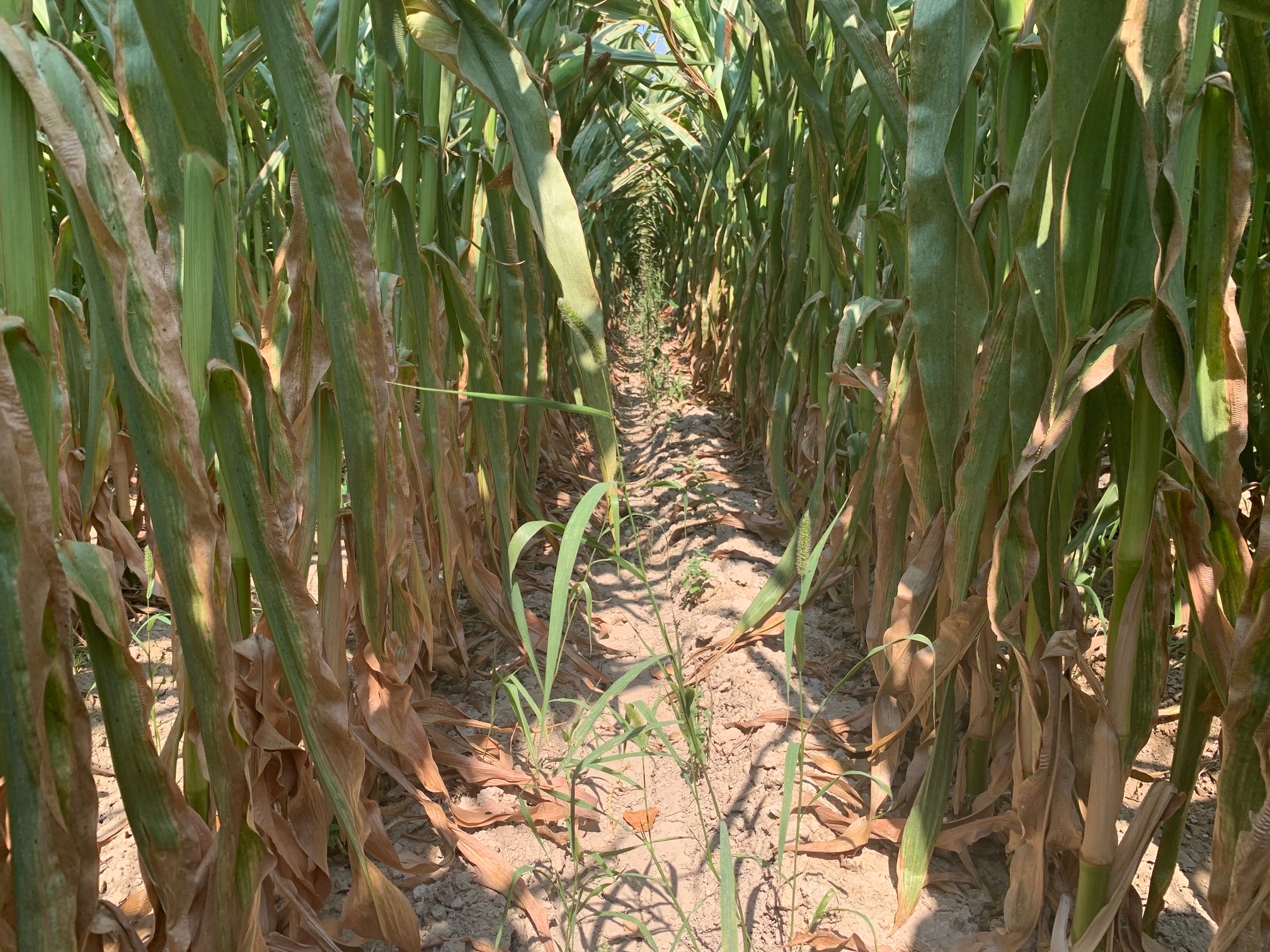
Run up to 10°F cooler: field trials cited by Direct showed lower canopy temperatures under heat stress.
Use water more efficiently: supports metabolism and water use when moisture is limited.
Hold onto yield potential: helps the crop keep growing and functioning through environmental pressure.
Support cold emergence: helps seedlings get moving when low temperatures slow early growth.
Cover 40 acres: one 4-ounce pack treats 40 acres according to Direct Biologicals.